

© 2026 All Rights Reserved. 粤ICP备14051456号
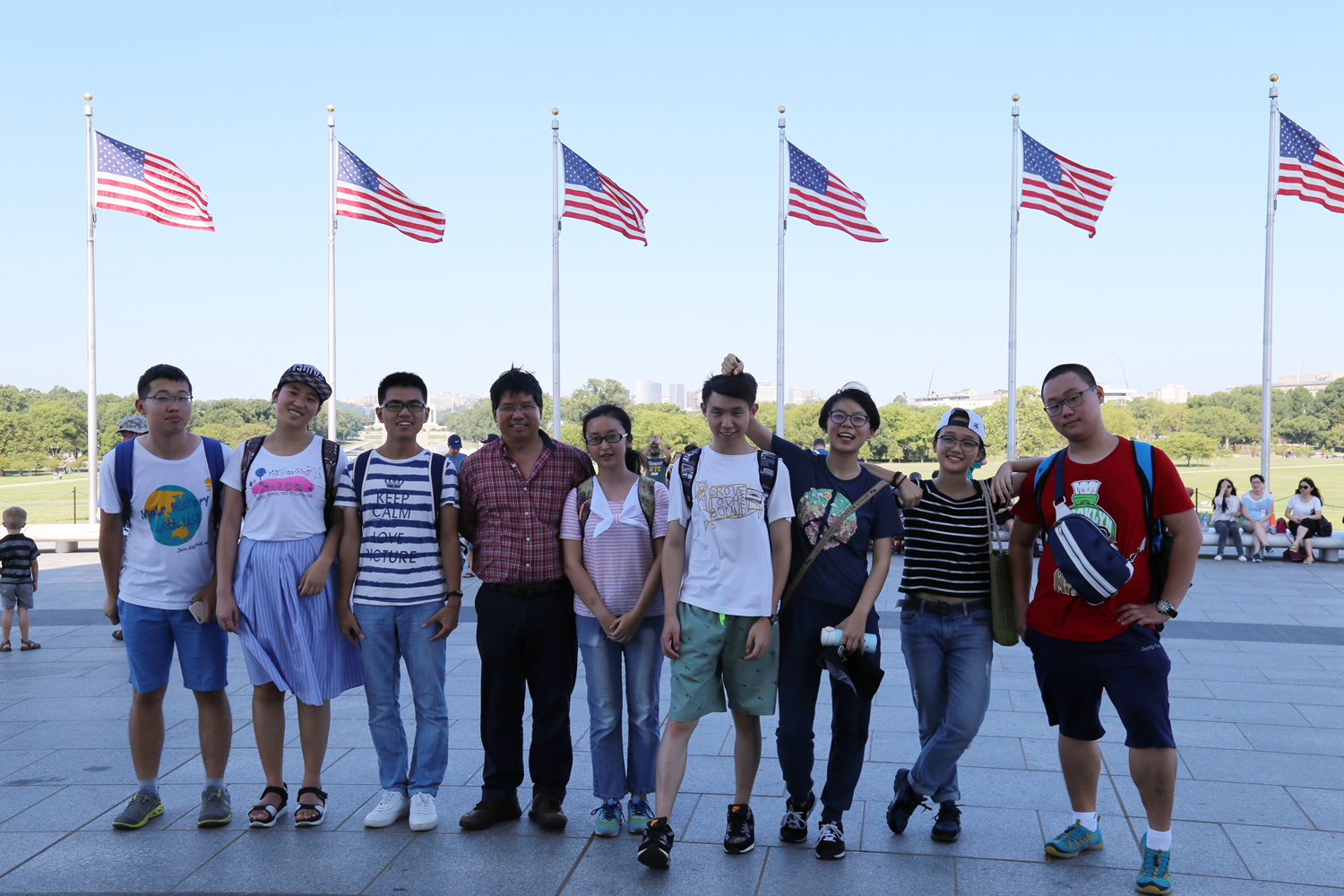
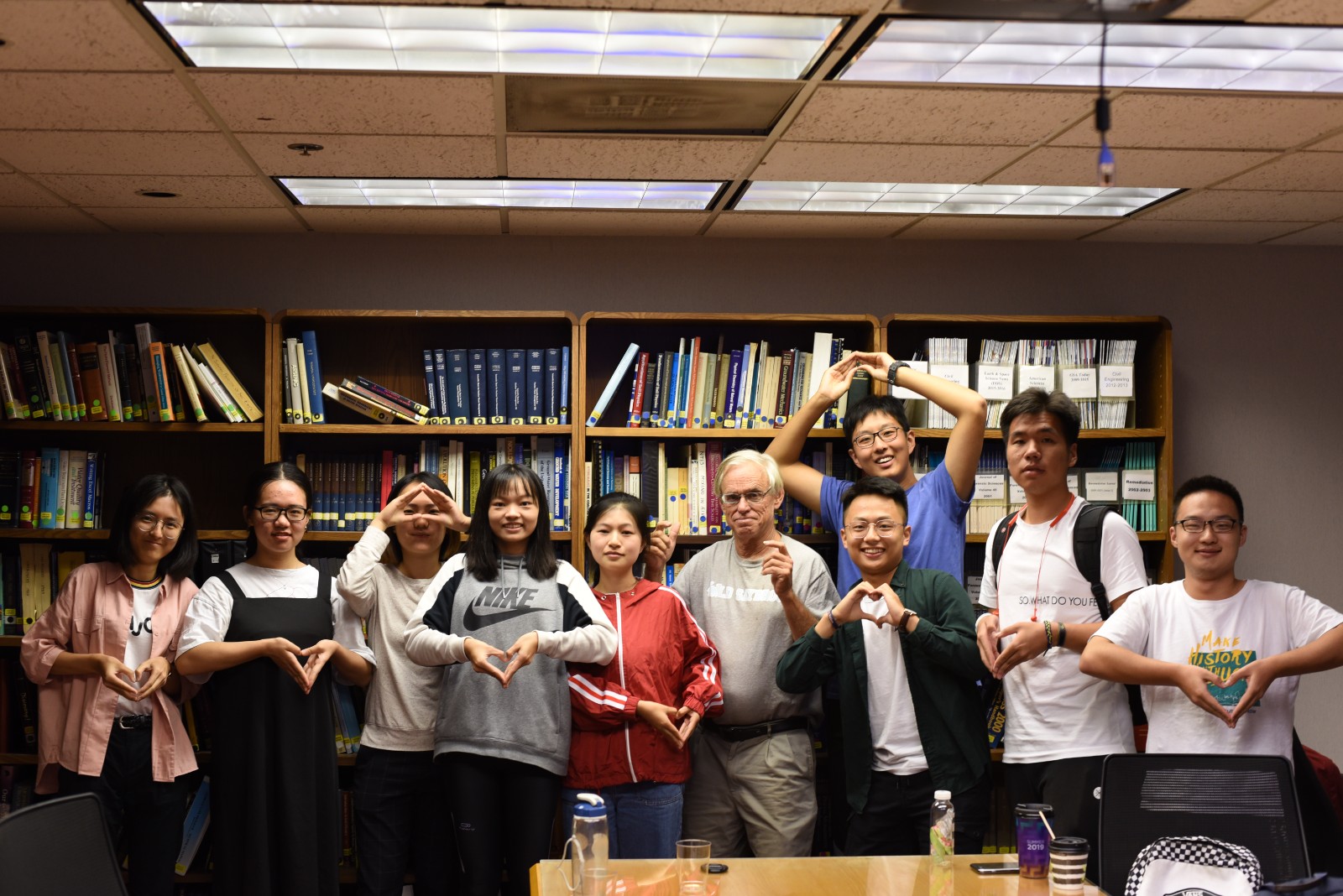
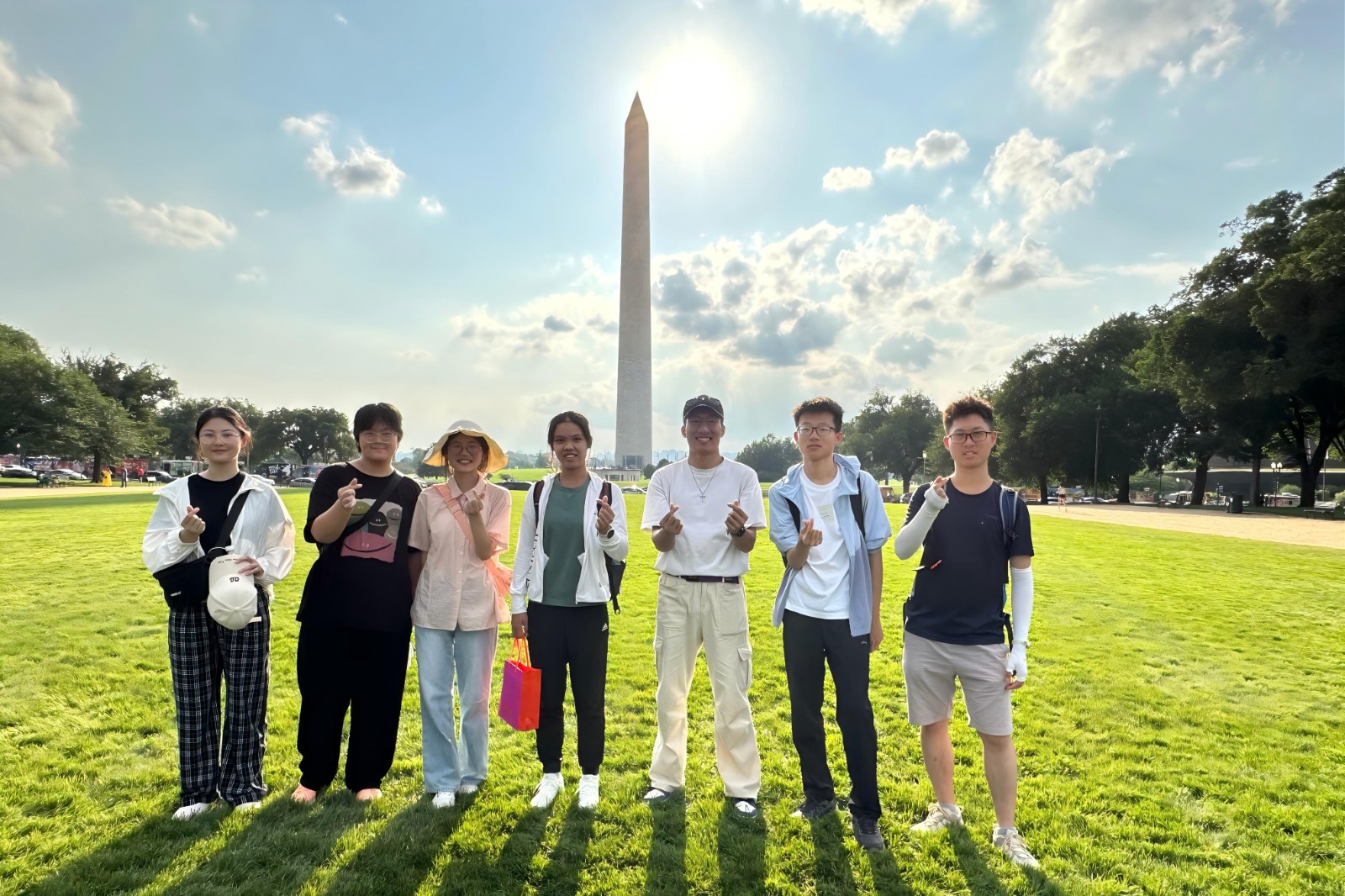
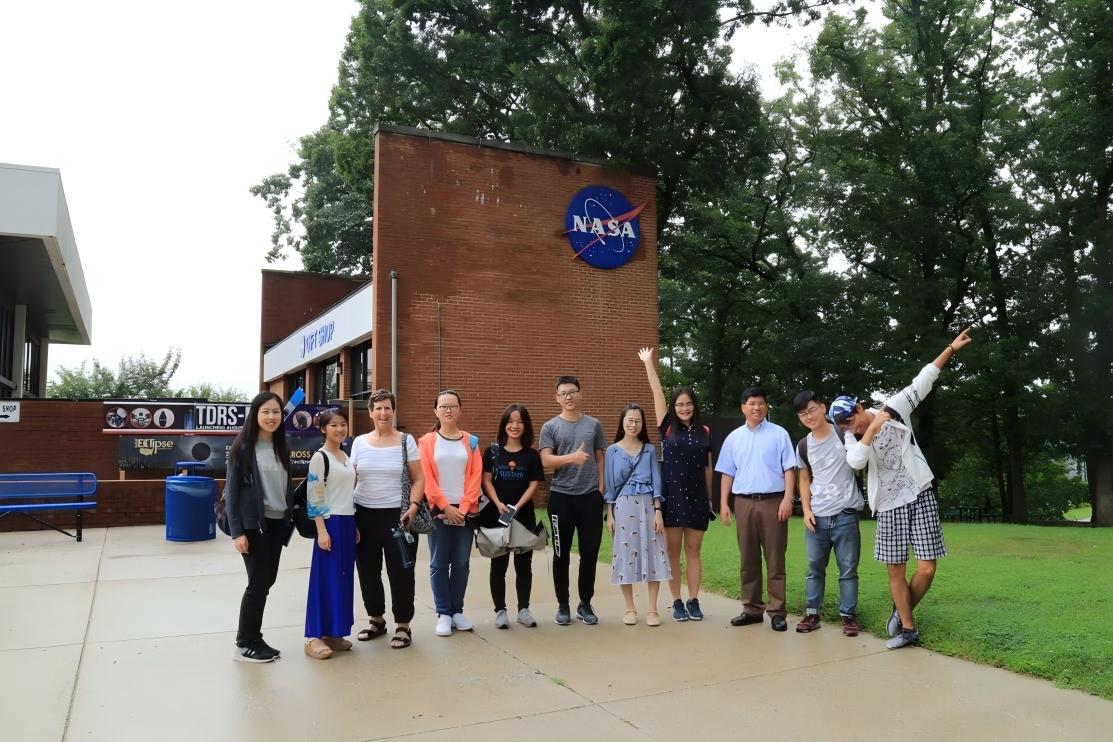
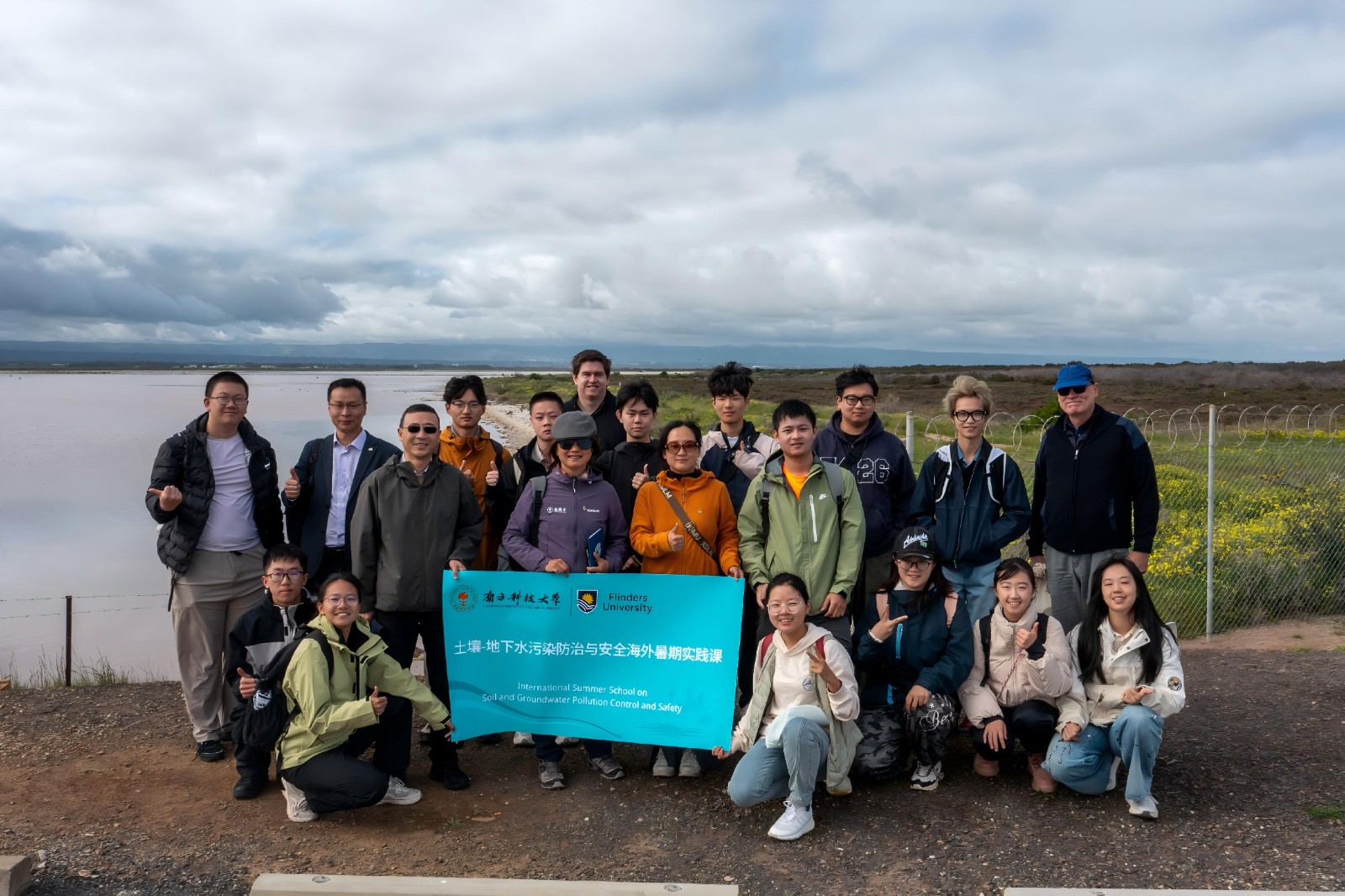
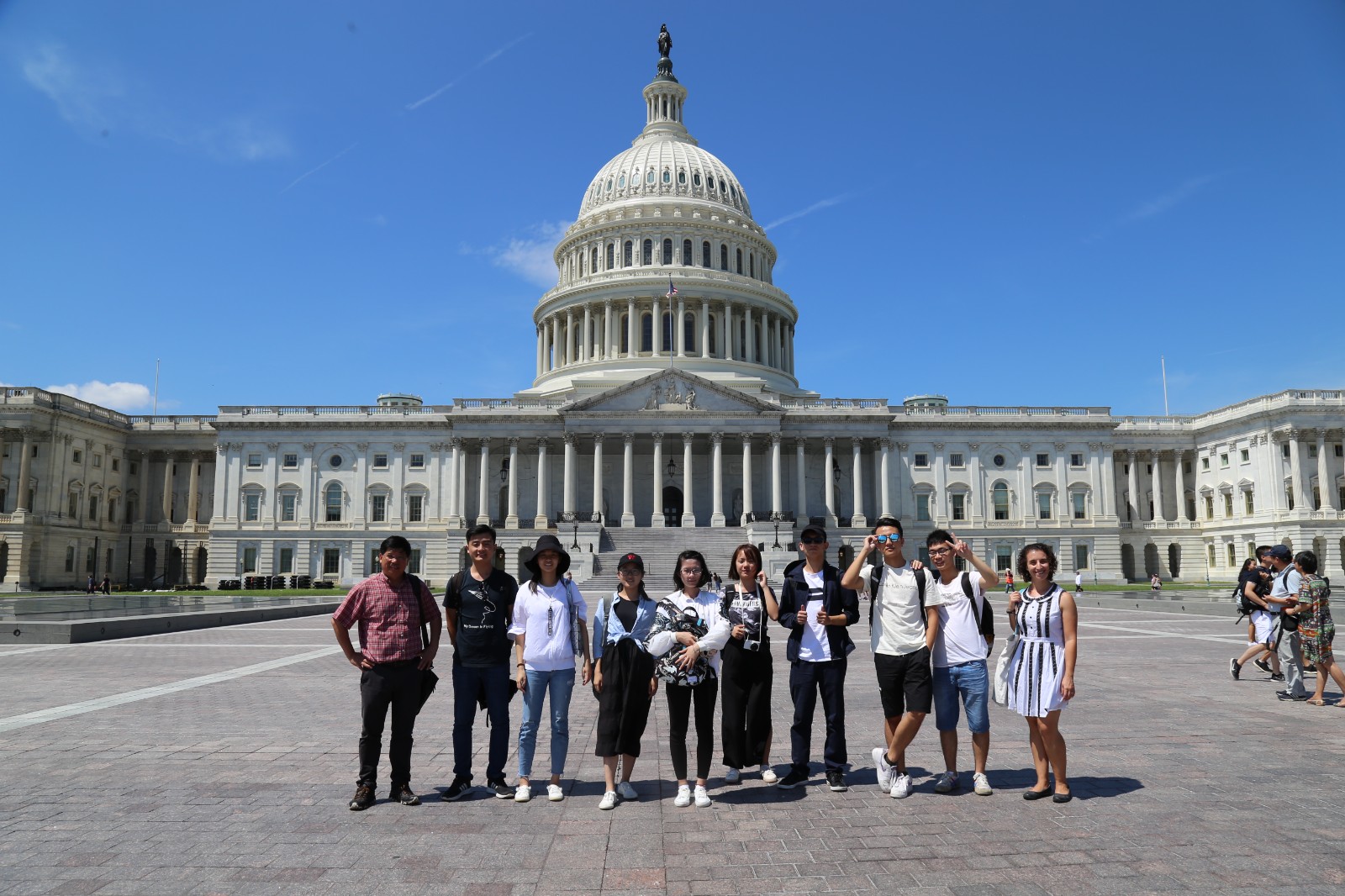
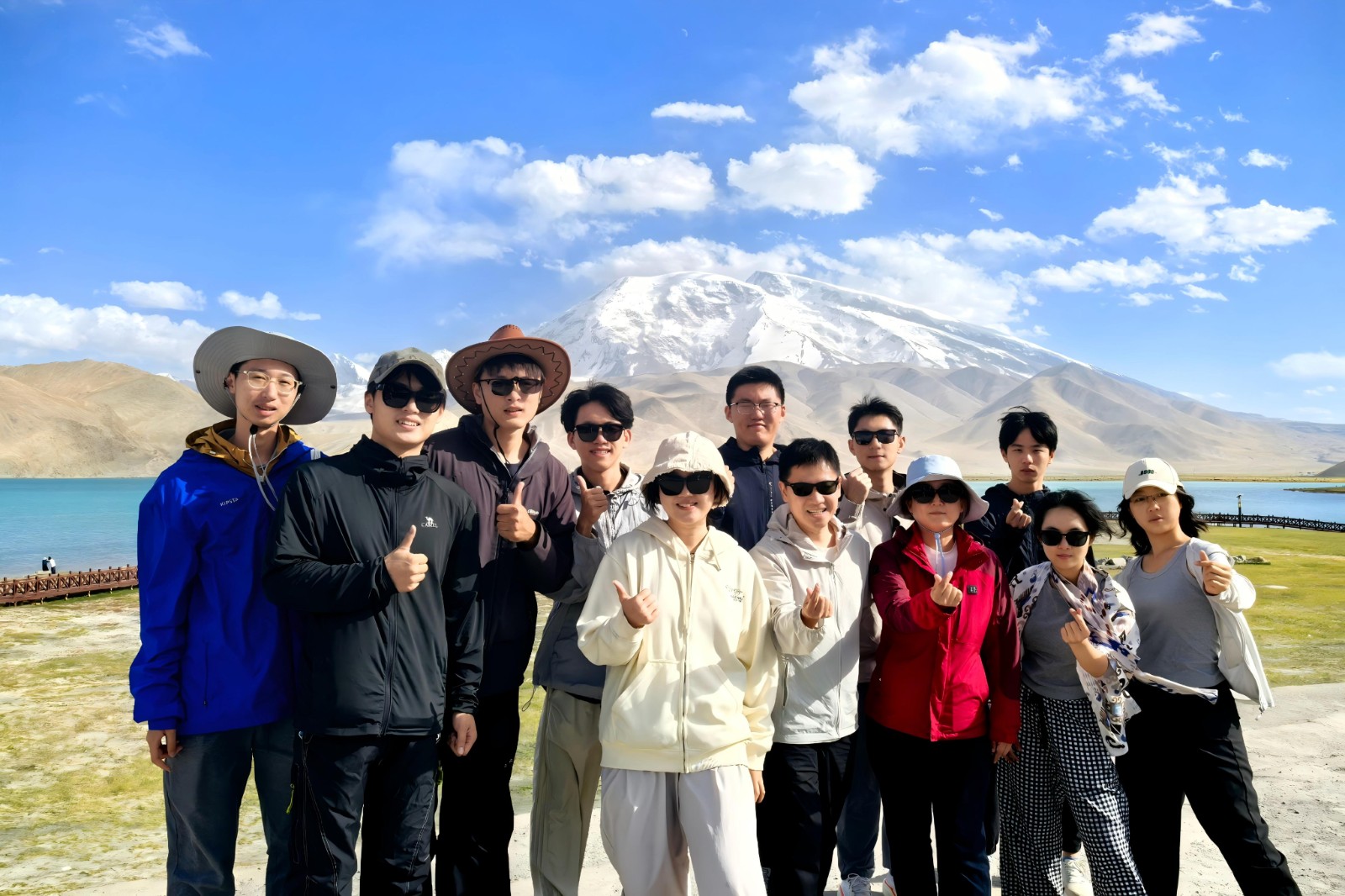
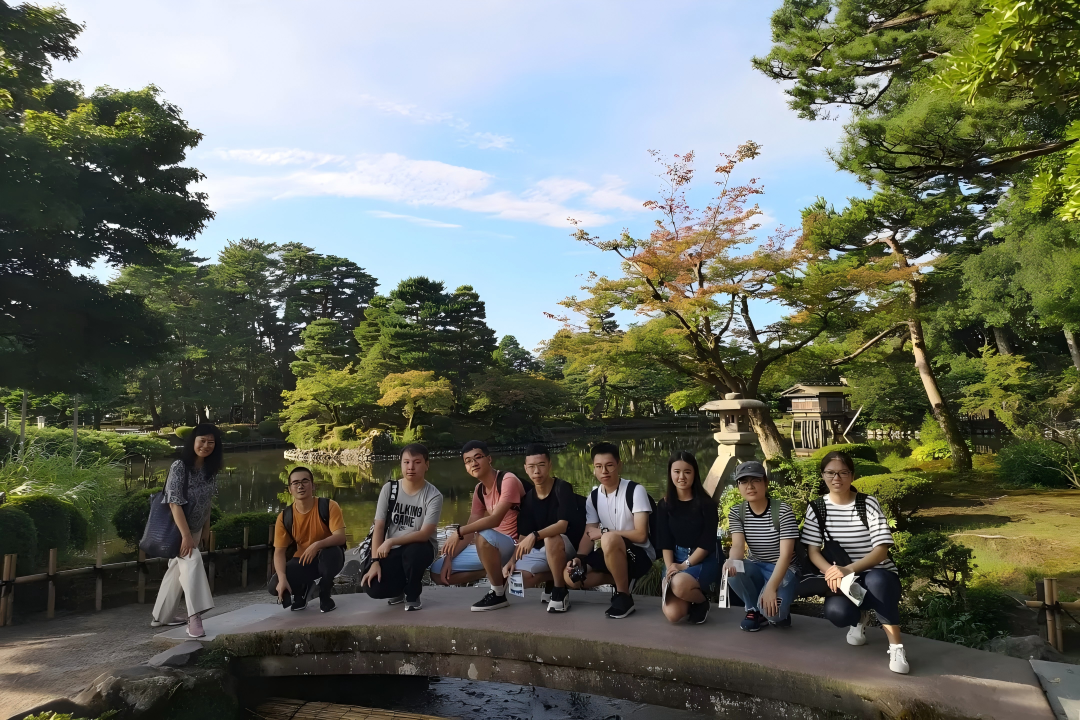
Since its inception in the summer of 2016, our signature course, Cognitive Practice of Overseas Water and Environmental Management, has been successfully held seven times. Distinguishing itself from traditional curricula, the course offers a unique pedagogical approach by organizing faculty-led field studies in developed countries, such as the U.S., Japan and Australia. This allows students to engage in the on-site exploration of both theoretical frameworks and practical applications in water resource and environmental management.
Beyond technical expertise, the program facilitates a profound understanding of international cultural and educational landscapes, broadening students' global horizons and establishing a robust foundation for their future academic pursuits. The impact of the course has been exemplary: 100% of the enrolled students have successfully secured admissions to elite universities globally. Given its high prestige and transformative nature, the course has consistently seen strong demand, with over 30 applications received for each iteration since its launch.
Zou Xinyu
“Looking back carefully on how the whole trip felt, I can honestly say it wasn’t a cold, impersonal classroom—it was a vivid, living, warm encounter.......”
“I felt that I should make some contribution to China’s environmental cause, and I also found myself inexplicably full of confidence in the future of China’s ecology and in science education…”
“I came to understand its meaning and even its beauty more deeply. More often than not, we shouldn’t put limits on ourselves—the world is vast and grand, and so is knowledge…”
“I felt very happy.”
“In my application letter for the winter program, I wrote, ‘I hope to develop my ability to look at environmental issues critically and comprehensively, broaden my horizons, learn a rigorous academic attitude, have clearer goals and plans for my future studies and life, and strengthen my confidence.’ Now I can say that those hopes have actually come true, and for my next hope, I want to keep moving forward firmly in the career I love.”
Luan Xiangyu
“…Going to an unfamiliar place always comes with all kinds of difficulties, just like when I first came from Zhengzhou to Shenzhen. But as long as you make an effort, you can always change some things and adapt to others—and besides, you can discover many beautiful things along the way.”
“First, I want to thank Professor Zheng Chunmiao, the founder of this course, and the teachers involved in the program—you are the ones who shaped this course. Likewise, countless thanks go to the Charles Andrews family and SSP&A; your warm hospitality was key to making our trip what it was. I especially want to thank Ms. Yang Lihong, who led us: your explanations and sharing of your experiences allowed us to get information more accurately and broadly, overcome our fear of life abroad, and avoid various misunderstandings. Finally, I want to thank my fellow travelers, upperclassman Liang Yuge and upperclassman Zeng Xi, for their guidance when I ran into many problems, and the other four classmates for helping and communicating with one another—all of this taught me a lot.”
Qin Sijin
“Through this internship, I not only broadened my perspective on solving environmental problems but also gained more diverse ways of thinking about problems and finding solutions… When facing complex pollution issues, I learned to analyze them from multiple angles and consider different solutions. This diverse way of thinking allows me to see problems more comprehensively and find more creative solutions. In addition, I deeply realized the importance of a rigorous scientific spirit in environmental governance. In the process of pollution assessment and remediation, collecting and analyzing scientific data is crucial. Through the internship, I learned how to obtain and interpret data with a more rigorous attitude, thereby supporting scientific decision-making.”
Liang Yuge
“On this internship trip to Washington, D.C., I learned a great deal; it was an extremely valuable learning and growth experience. Visiting various museums, I deeply felt the close interweaving of history, science, and art… After listening to the lectures, I realized that no matter what field you do research in, having solid model-building and data-analysis skills will be very necessary in the future. Through this overseas internship, I not only accumulated knowledge but also developed scientific thinking and practical skills, and it gave me a global disciplinary perspective. I hope the overseas internship course can continue so that more younger students can benefit from it.”
Ye Rushan
“Looking back on this internship experience, I feel I gained a great deal. I not only gained professional knowledge but also improved my personal abilities and scientific literacy. This internship also made my career plans and life goals clearer and inspired my passion for and pursuit of environmental protection. I want to thank the school, the Department of Environmental Science, and our teachers for providing us with such a rare opportunity to go abroad, broaden our horizons, and gain experience. I will treat this experience as an important treasure in my life and continue to work hard to learn and grow!”
Chen Siqi
“This study tour was a rare opportunity for learning and growth. It not only helped me gain knowledge but also broadened the way I look at problems, and it had an important impact on my future academic path and career plans. I am very grateful that the School of Environment gave me this opportunity to study in the United States, which has made me increasingly confident about continuing down the path of environmental studies. I also look forward to having more opportunities like this in the future to keep exploring, learning, and improving.”
Zeng Xi
“It was my honor to be provided such an opportunity to study abroad for two weeks, and I indeed obtained a lot throughout this experience…… I tried many interesting things for the first time here in the US: start a day at work with a cup of coffee and snacks in the kitchen, play billiards down in the basement, cross the street riding an electric bike in DC, buy a second-hand book from the bookstall at the street corner, raise up the courage to join a conversation with local people… I still well remember the famous saying from John Kennedy, ‘Ask not what your country can do for you – ask what you can do for your country.’”
 |