

© 2026 All Rights Reserved. 粤ICP备14051456号
Guided by the theory of the earth system, SUSTech Faculty of Environmental Science and Engineering (hereafter referred to as ESE) focuses on the studies of substance circulation in the hydrosphere, atmosphere, lithosphere and pedosphere and the mechanism of interaction between human society and the earth’s spheres. The major research areas of ESE, as showed below, include water science and technology, resources recycling science and engineering, air environment and earth system science.
The key research interests are: hydrology and water resources engineering, environmental biogeochemistry, water pollution and treatment, remediation of groundwater and soil pollution, solid waste disposal and utilization, air chemistry, air pollution control, ecological system assessment, environmental remote sensing and global change. We welcome excellent talents in this field both at home and abroad to join us to build a world’s creative multi-disciplinary platform for environmental studies, making our contribution to solve the environmental issues China and the world faces.
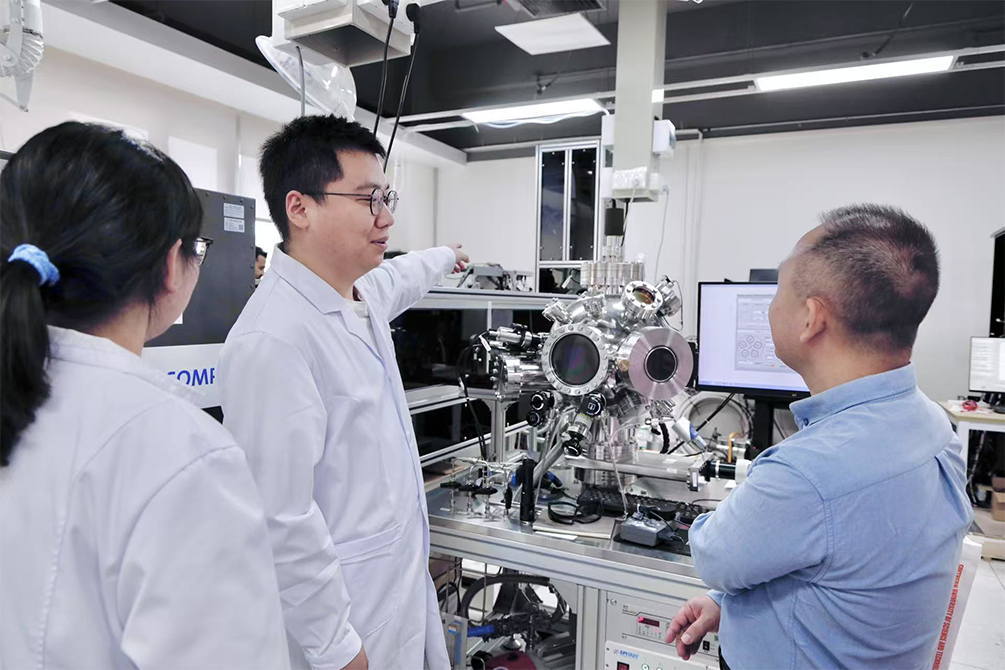
After a decade of development, the school has formed distinct disciplinary features in Environmental Geoscience and Environmental Information Technology. Specifically, Environmental Geoscience, based on the perspective of Earth system science, addresses scientific challenges such as environmental pollution, ecological protection and disaster prevention, proposes engineering and technical solutions, and facilitates the sustainable development of human society. Environmental Information Technology leverages AI to empower environment-health big data, develops model simulation, early warning and forecasting, and visualization technologies required for water-soil-air environmental management, leads technological innovation in the field of AI-enabled ecological environment.
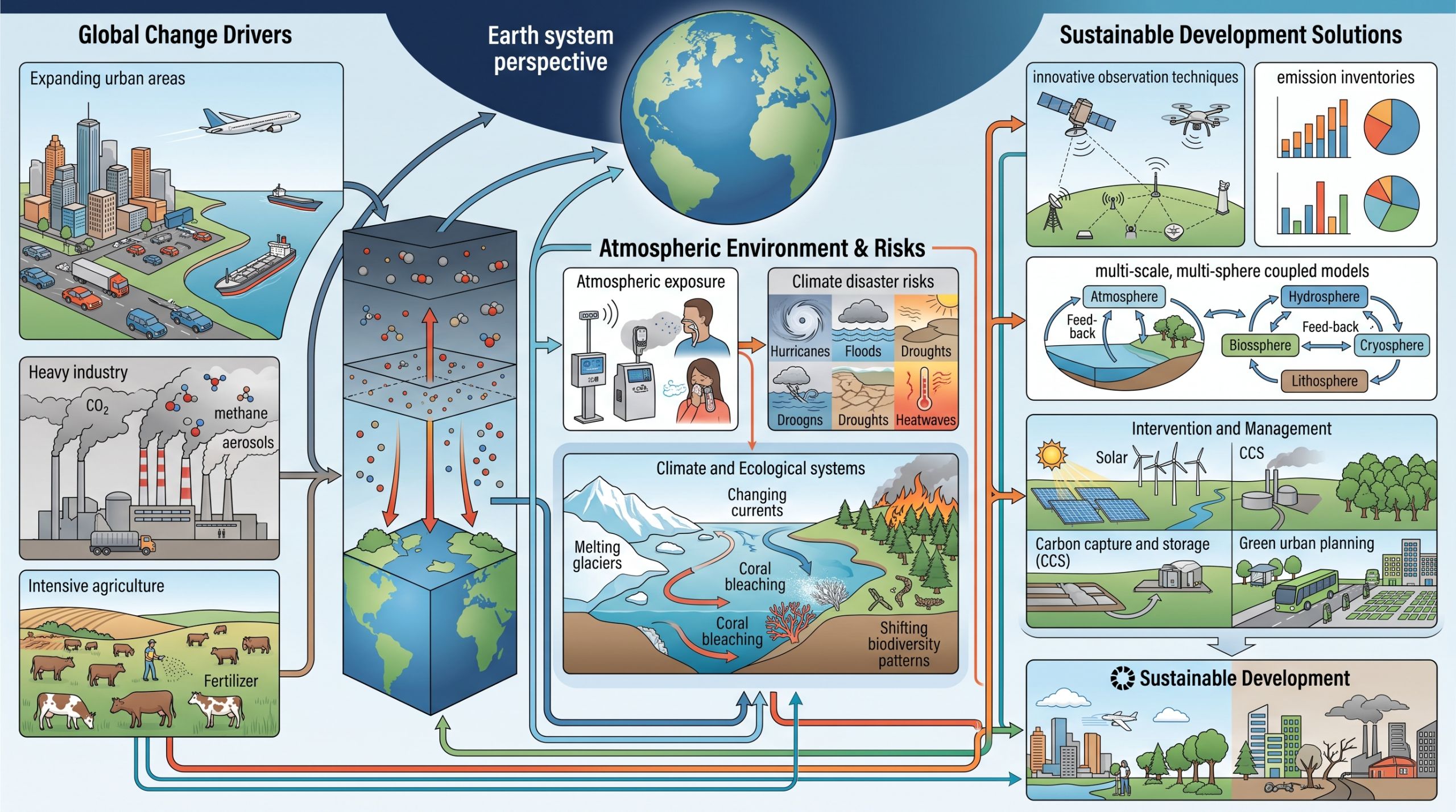
We investigate the impact of human activities on the atmospheric environment and their underlying mechanisms, the interactions between climate and ecological systems, the prediction and management of atmospheric pollutant exposure and climate disaster risks, and the assessment of carbon reduction potential and benefits across industries. Our work is distinguished by its Earth system perspective, leveraging data and information engineering technologies to develop innovative observation techniques, emission inventories, and multi-scale, multi-sphere coupled models. It aims to comprehensively study the mechanisms, impacts, and risks associated with atmospheric environments and global change.
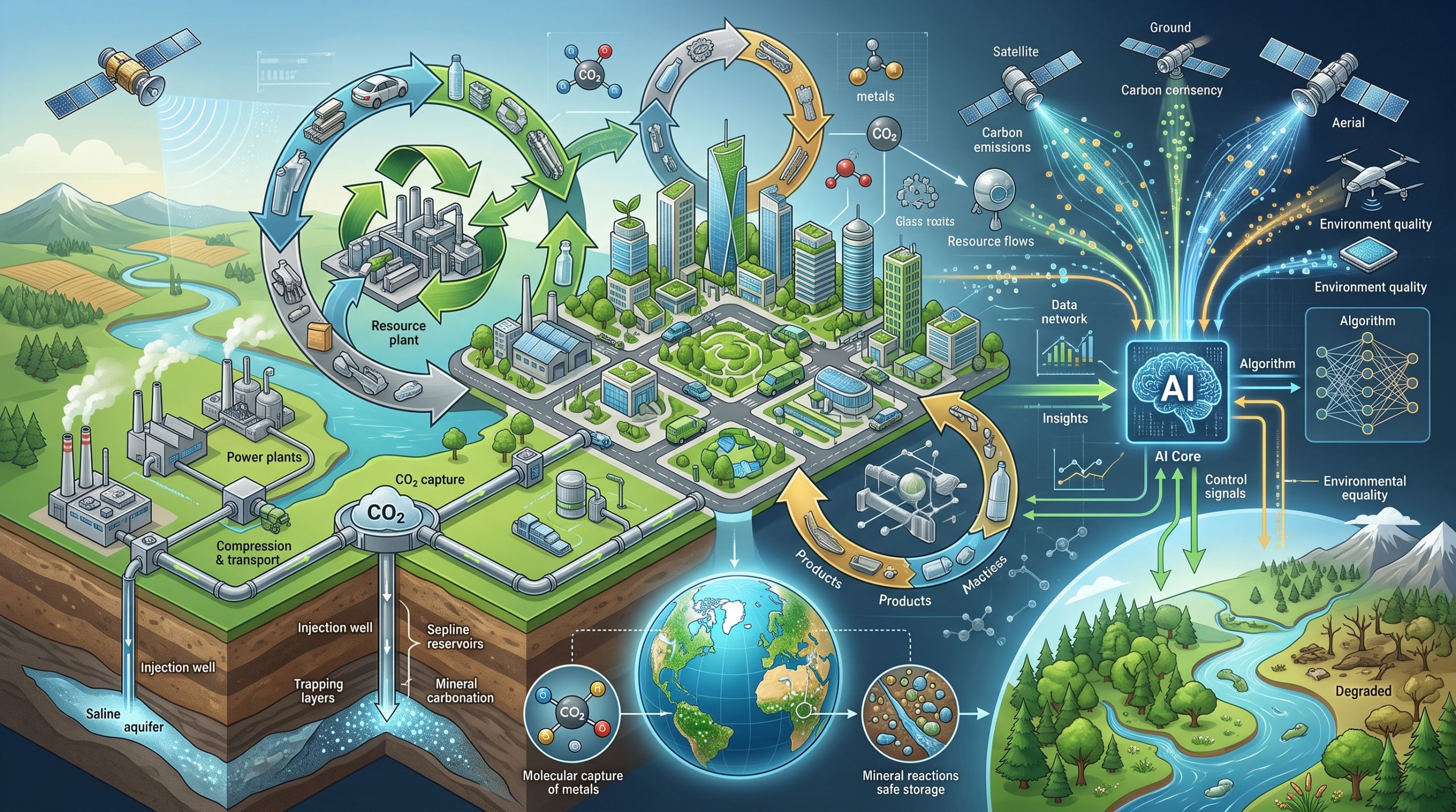
This research direction is dedicated to the theoretical and technical studies of low-carbon resource recycling, carbon capture and storage, resource-environment interactions, and green low-carbon urban development. It leverages regional industrial advantages to deeply explore urban mineral resource utilization and low-carbon development technologies. At the same time, it builds a carbon emission monitoring and carbon capture technology system based on regional big data and artificial intelligence foundations.
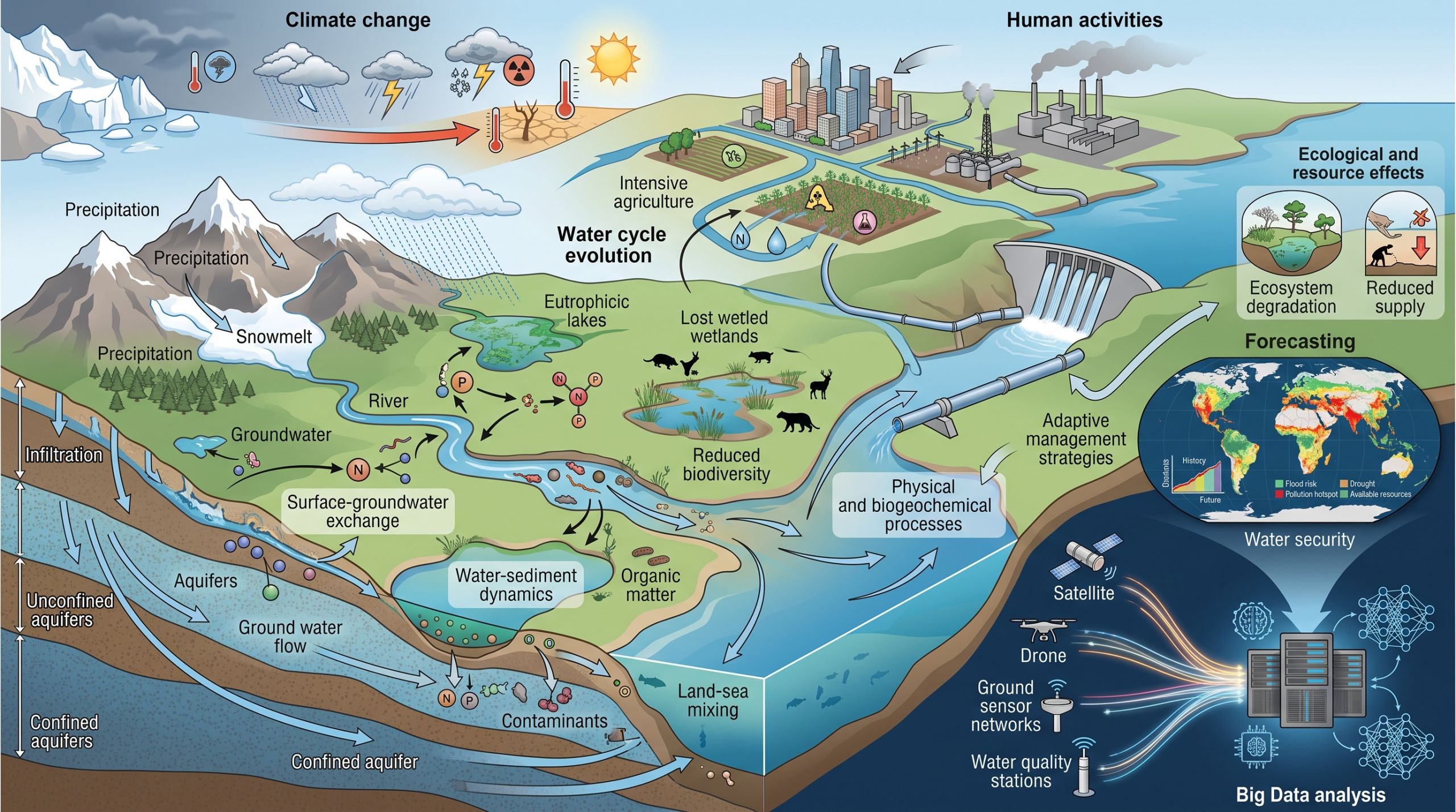
The research area focuses on changes in the water cycle driven by climate change and human activities, along with their environmental, ecological, and resource effects. Major topics include hydrodynamic and biogeochemical processes across various interfaces in the Earth's hydrosphere (e.g., land-sea, surface-groundwater, water-sediment, etc.), the ecological and environmental impacts of large-scale water resource exploitation and management, and the use of big data analysis and artificial intelligence for global water environment forecasting.
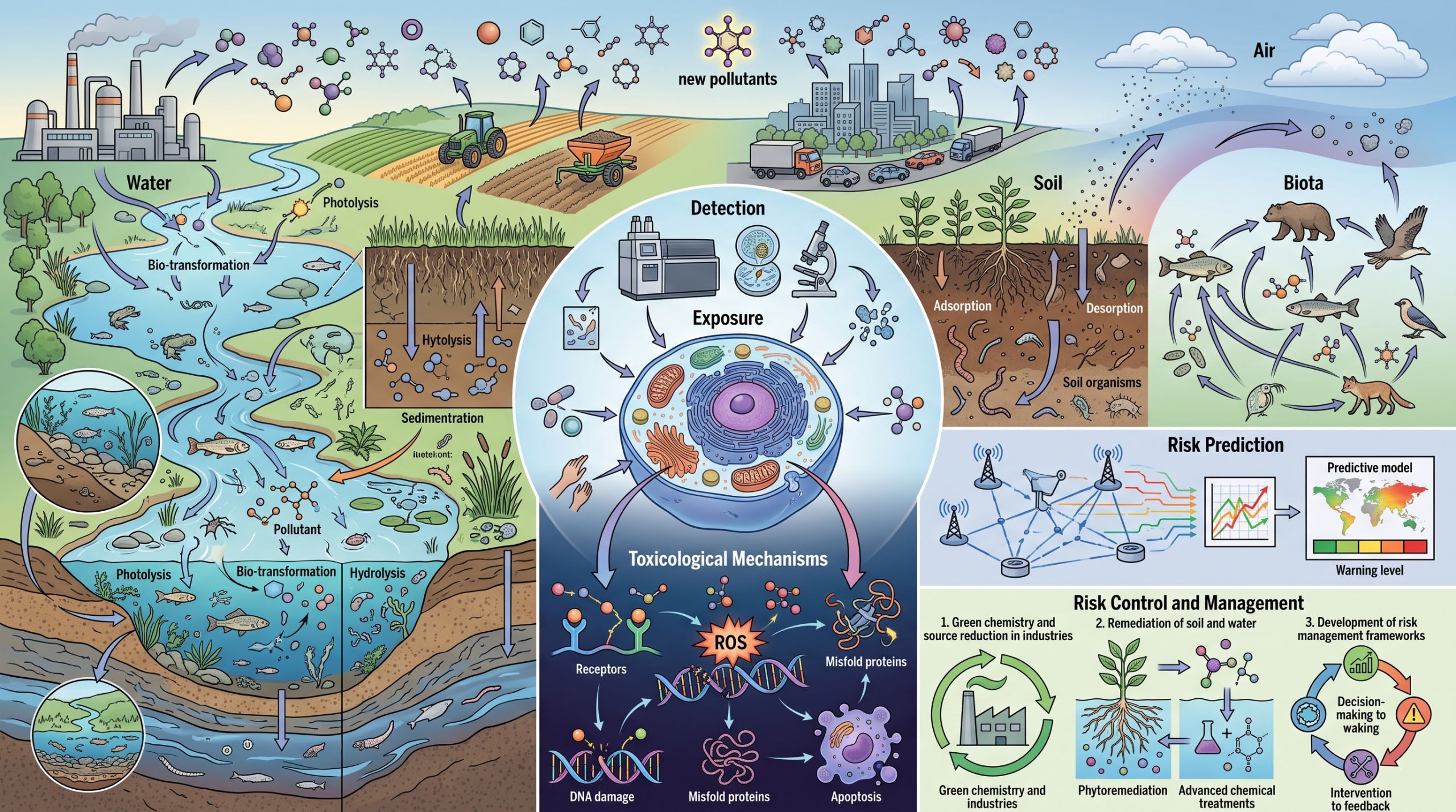
This research direction focuses on the detection and identification, migration and transformation, toxic mechanisms, and risk prevention of organic and inorganic pollutants across multiple media, including water, soil, air, and biological systems within the ecological environment. Its defining characteristics include an emphasis on the sources, sinks, and transformation pathways of emerging pollutants; pollution exposure and toxicological mechanisms within ecosystems; and the development of risk management technologies centered on the exposure process.
 |